In the world of football, safety has become a central concern. Concussions and head injuries are a growing issue for players at all levels of the game, and the need for effective strategies to prevent them has never been more urgent. Tackling, a fundamental part of the sport, is at the heart of many of these injuries. However, with the introduction of smarter tackling techniques and training methods, football can be played more safely while preserving the game’s exciting nature. In this blog, we’ll explore how "tackling smart" is revolutionizing football safety, reducing the risk of concussions, and ensuring players stay safe and healthy on the field.
The Problem of Concussions in Football
Concussions have long been a serious concern in contact sports, with football being no exception. Studies have revealed that repeated head injuries, even mild ones, can lead to long-term neurological problems, including conditions like Chronic Traumatic Encephalopathy (CTE). For youth players, the consequences can be even more severe, as their brains are still developing and more vulnerable to trauma.
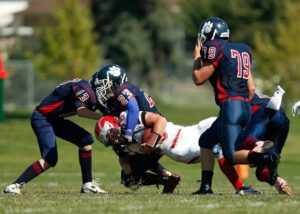
Tackling, while essential to the game, is one of the main sources of these injuries. A poorly executed tackle or unsafe form can lead to dangerous impacts, putting players at risk of head injuries. As awareness of these risks grows, the football community has begun to make changes to ensure that tackling remains a safe part of the game.
The Rise of Smart Tackling Techniques
"Tackling smart" refers to a shift in how players are taught to approach tackles. Rather than relying on brute force or outdated techniques, smarter tackling focuses on proper form, minimizing head contact, and reducing unnecessary risks. This shift is helping to make the sport safer for players, particularly when it comes to preventing concussions. Here’s how smarter tackling techniques are changing the game:
1. Head-Up Tackling: A Key Component of Smart Tackling
One of the most important changes in tackling techniques is the emphasis on keeping the head up during contact. In the past, players were often taught to lower their heads and lead with the crown of their helmets. This approach created dangerous head-to-head collisions, resulting in concussions and neck injuries.
Now, players are taught to keep their heads up when approaching an opponent. This technique reduces the risk of head-first impacts and helps players stay more aware of their surroundings. With head-up tackling, the body remains better aligned, and the force of the tackle is distributed across a larger area, preventing dangerous concentration of impact on the head and neck.
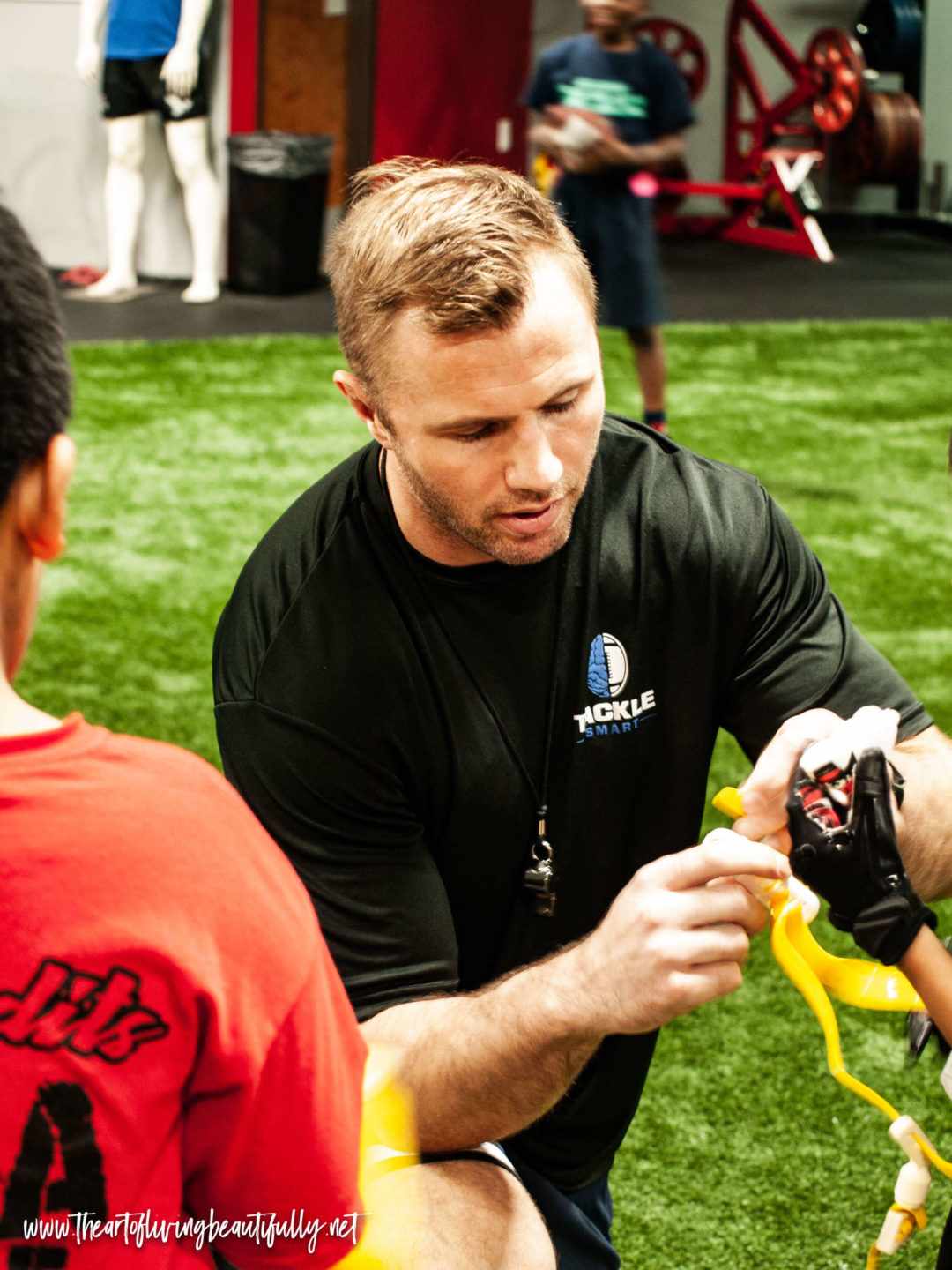
Coaches can use tools from TackleSmart Sports to help players practice the head-up tackle technique in a controlled and safe environment, ensuring that players learn the correct form early on.
2. Shoulder-First Tackling: A Safer Alternative
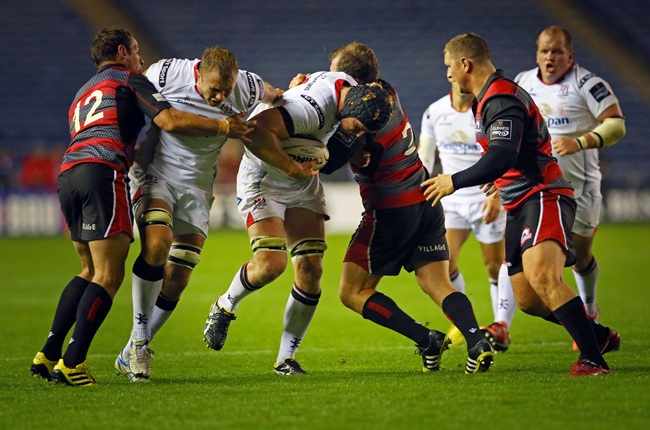
Another game-changing technique is the use of shoulder-first tackling. Rather than leading with the head or helmet, players are taught to initiate tackles with their shoulder. This method significantly reduces the risk of head-to-head contact, which is a leading cause of concussions in football.
The shoulder-first tackle allows players to absorb the impact with the more resilient, stronger part of the body—much less vulnerable to concussions than the head or neck. By training players to lead with their shoulders, coaches can help reduce injuries while maintaining effective tackling skills.
At TackleSmart Sports, we offer training equipment designed to support and reinforce shoulder-first tackling techniques. Our training tools provide players with the feedback they need to improve their safety and effectiveness on the field.
3. Proper Form and Technique: The Foundation of Smart Tackling
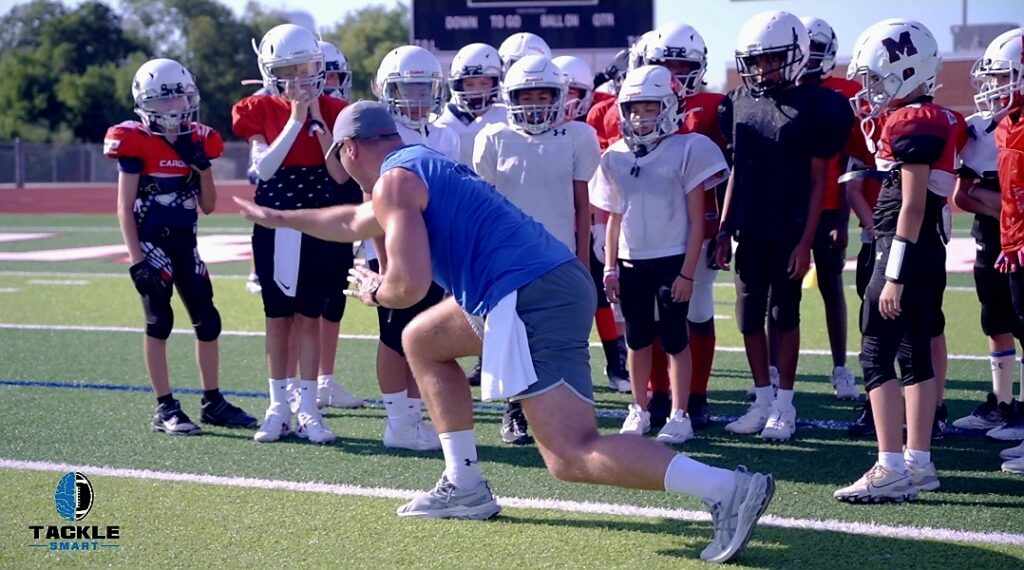
Tackling smart is not just about avoiding head contact; it’s also about improving overall technique. Proper form, such as keeping a low center of gravity, wrapping up during tackles, and using the arms to secure the opponent, plays a crucial role in ensuring player safety. Players who are taught to use proper form are more likely to avoid high-risk situations and make safe, controlled tackles.
Coaches can instill the importance of these fundamental principles by incorporating them into regular drills and practice routines. With the right focus on form, players can learn to tackle safely without sacrificing effectiveness or performance.
At TackleSmart Sports, we offer a variety of training aids designed to teach and reinforce proper tackling form. These tools help coaches ensure that players develop safe, effective tackling habits that minimize the risk of injury.
4. Dynamic, Game-Like Drills: Practice with Purpose
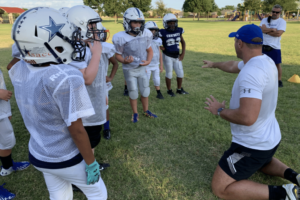
Another important aspect of smarter tackling is using dynamic, game-like drills. These drills simulate real game situations, allowing players to practice tackling while keeping safety at the forefront. By incorporating smart tackling techniques into these drills, players can develop the muscle memory necessary to perform safe tackles under pressure.
Coaches can integrate drills that focus on specific tackling techniques, such as head-up tackling or shoulder-first contact, in a controlled environment that minimizes the risk of injury. These drills also help players become more comfortable executing these techniques in the fast-paced, high-intensity atmosphere of an actual game.
The Role of TackleSmart Sports in Promoting Safe Tackling
At TackleSmart Sports, we are dedicated to helping coaches and players improve their tackling techniques while minimizing the risk of concussion and other injuries. We offer a wide range of training tools designed specifically for safe tackling practices. Our padded tackling dummies, concussion-prevention gear, and other products provide the perfect environment for players to practice smarter tackling techniques.
By integrating our products into your training regimen, you can ensure that your players are learning safe, effective techniques that reduce the risk of concussions and other head injuries. Whether you are training youth players or adults, our tools will help you create a safer, more effective training experience.
The Benefits of Tackling Smart for Player Safety and Team Performance
Smarter tackling techniques not only reduce the risk of concussions but also lead to improved team performance. Players who are taught to tackle effectively and safely are more confident in their abilities, which translates to better on-field performance. Safe tackling techniques help players stay in the game longer, reduce injuries, and increase overall team success.
Additionally, coaches who prioritize concussion prevention and smart tackling techniques build trust with players and parents. By investing in player safety and teaching safer methods, coaches demonstrate a commitment to the well-being of their athletes, which fosters a positive and responsible team culture.
Conclusion: Tackling Smart for a Safer Future in Football
Tackling smart is more than just a trend; it’s a game-changer for football safety. By teaching players to tackle with their heads up, leading with the shoulder, and emphasizing proper form, coaches can significantly reduce the risk of concussions and other head injuries. With the right training methods and tools, the game can remain as thrilling as ever while prioritizing player health and safety.
At TackleSmart Sports, we are proud to provide the tools necessary to promote smarter, safer tackling techniques. Visit our website to explore our range of products designed to reduce concussions and improve player safety—because when players tackle smart, they stay safe.
Ready to Revolutionize Your Team’s Tackling Techniques?
Visit TackleSmart Sports today to explore our full range of concussion-prevention tools and training aids that will help your team tackle smart and stay safe.




Write a comment ...