
As a football coach in Texas, you’re tasked with more than just teaching the game—you’re shaping the future of your players both on and off the field. Maximizing player potential requires a comprehensive approach that involves technical skills, physical conditioning, mental toughness, and leadership development. In this post, we’ll share top Texas football coaching tips that will help you bring out the best in your athletes, ensuring they perform at their highest level.
For more coaching resources and strategies to maximize your players’ potential, visit Texas Football Coach.
1. Know Your Players’ Strengths and Weaknesses
Every player on your team has unique strengths and areas for improvement. One of the first steps in maximizing their potential is understanding these characteristics. Take the time to assess each player’s skills—whether it’s speed, strength, leadership, or work ethic. Once you have a solid understanding of their strengths and weaknesses, you can tailor your coaching to develop those areas and help players improve in their weaker spots.
For player evaluation tips and techniques, visit Texas Football Coach.
2. Develop a Personalized Training Program
Once you understand each player's abilities, create a personalized training plan that addresses their individual needs. A one-size-fits-all approach doesn’t work when it comes to coaching, so make sure your training programs account for the differences between positions, skill levels, and physical capabilities. For example, a quarterback might benefit from focusing on footwork and passing accuracy, while a lineman will need to focus on strength and explosiveness.
For more tips on developing personalized training programs, check out Texas Football Coach.
3. Emphasize Proper Technique and Fundamentals
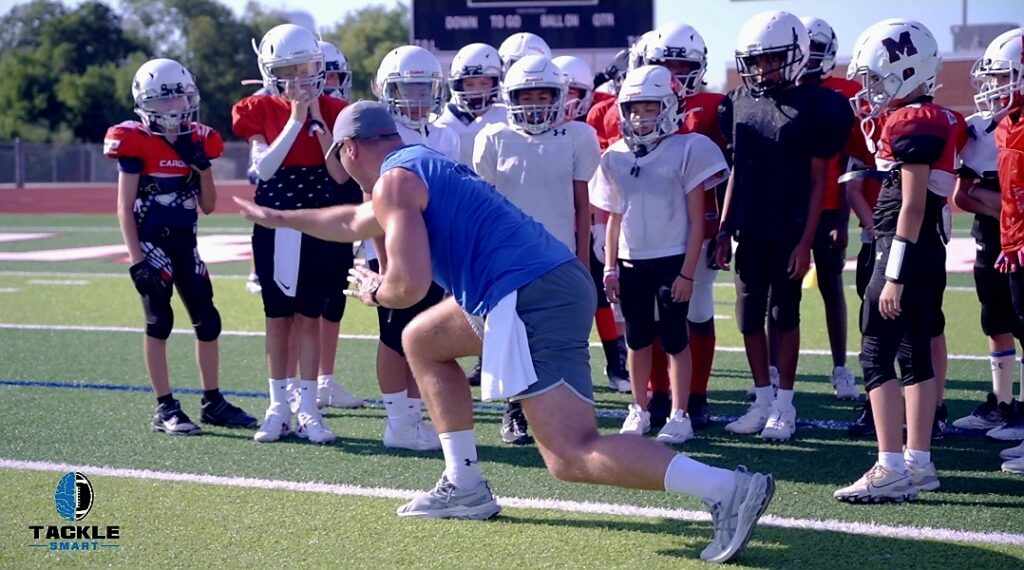
One of the best ways to maximize player potential is by emphasizing the importance of technique and fundamentals. Players who understand and consistently apply the basic skills of the game—whether it’s blocking, tackling, running routes, or passing—are far more effective on the field. Don’t skip over the small details, even with experienced players. Reinforce proper form and technique during every practice to ensure that players are executing plays at a high level.
For drills that focus on improving technique, visit Texas Football Coach.
4. Create a Positive and Competitive Environment
A positive and competitive environment motivates players to push themselves to be their best. Encourage healthy competition among teammates, where everyone is striving to improve and contribute to the team’s success. Recognize players for their effort, improvement, and dedication, rather than just performance. This positive reinforcement will encourage players to give their best on every play, knowing that their hard work is valued.
To learn more about fostering a competitive yet supportive environment, explore resources at Texas Football Coach.
5. Focus on Mental Toughness and Resilience
Football is a tough game, both physically and mentally. To maximize player potential, it’s essential to develop mental toughness and resilience. Players need to be able to overcome adversity, stay focused under pressure, and bounce back from mistakes. Incorporate drills and situations into practice that force players to think critically, stay calm, and respond positively to challenges. Reinforce a growth mindset by focusing on learning from mistakes instead of dwelling on them.
For mental toughness training strategies and resources, visit Texas Football Coach.
6. Teach Leadership Skills on and off the Field
Leadership is an essential aspect of maximizing player potential. Coaches should help players understand the importance of leadership, not just in their performance but in encouraging and supporting teammates as well. By developing leadership qualities in your athletes, you create a team of self-motivated individuals who hold each other accountable. Encourage players to lead by example, whether they are captains or not, and provide opportunities for players to take on leadership roles during practice or games.
For more tips on developing leadership skills in players, visit Texas Football Coach.
7. Conditioning: Build Physical and Mental Endurance
Maximizing player potential also means building physical and mental endurance. Conditioning doesn’t just improve a player’s ability to run faster or lift more; it strengthens their resilience during the game, allowing them to perform consistently from the first whistle to the last. Incorporate strength, speed, and agility drills into your training program, but also ensure players are conditioned to handle the mental demands of the game. Teach them how to stay focused and maintain high energy throughout the game.
For more on conditioning drills and strategies, explore Texas Football Coach.
8. Provide Constructive Feedback and Encourage Self-Reflection
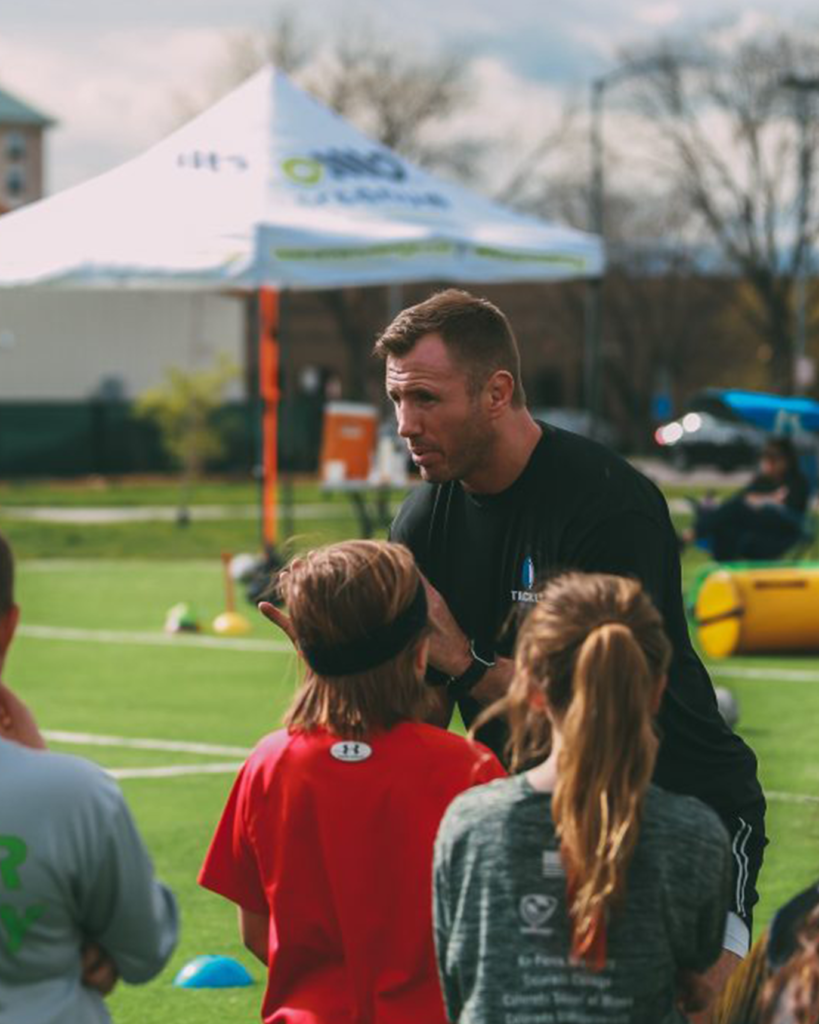
To help players grow, coaches must provide clear, constructive feedback. Be specific about what a player is doing well and what needs improvement. Encourage players to self-reflect on their performances, both in practice and games. This helps athletes become more self-aware and take ownership of their development. Regular feedback sessions also promote open communication between players and coaches, allowing players to understand their progress and where they need to improve.
For effective feedback strategies and communication tips, visit Texas Football Coach.
9. Incorporate Film Study into Your Coaching Routine
Film study is one of the most effective tools for maximizing player potential. By reviewing game footage, you can help players see their strengths, identify areas for improvement, and better understand game strategy. Encourage your players to study not only their own performances but also the performances of other teams and players. This will help them learn new techniques and understand how to adjust to different opponents.
For tips on integrating film study into your coaching, check out Texas Football Coach.
10. Encourage Team Building and Chemistry
Finally, building team chemistry is crucial for maximizing individual player potential. When players trust each other and work together as a cohesive unit, they are more likely to perform at their best. Foster a positive team culture by organizing team-building activities, encouraging players to support each other, and ensuring that every player feels valued. Strong team chemistry leads to a stronger overall performance on the field.
For team-building activities and tips, visit Texas Football Coach.
Conclusion
Maximizing player potential is about more than just improving physical skills—it’s about developing the whole athlete. By focusing on technique, conditioning, mental toughness, leadership, and team chemistry, you can help your players reach their full potential and elevate your team’s performance. As a coach, your role is to provide the guidance, resources, and encouragement that your athletes need to succeed both on and off the field.
For more coaching tips, player development strategies, and expert advice, visit Texas Football Coach.






Write a comment ...