
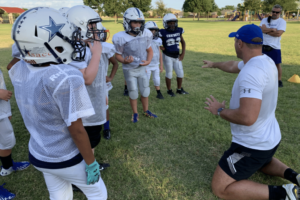
As a Texas coach, one of your most important tasks is ensuring your team has the proper football equipment to perform at the highest level. Texas football is renowned for its intensity and competitiveness, which means the equipment your players use can make all the difference in terms of safety, performance, and success on the field. Whether you're coaching a high school team or managing a college program, having the right gear is essential for both development and protection.
In this blog, we'll walk you through the essential football equipment every Texas coach should have to give their players the best possible chance of success. From helmets to cleats, and everything in between, we’ll explore how each piece of equipment contributes to both safety and football success. For more detailed coaching tips and football strategies, visit Texas Football Coach.
1. Football Helmets: The Foundation of Player Safety
A football helmet is arguably the most important piece of equipment for player safety. In Texas football, where hard hits and physicality are part of the game, a high-quality helmet is non-negotiable.
Protective Technology: Modern helmets are equipped with advanced padding and shock-absorbing technology to reduce the risk of concussions and head injuries. When selecting helmets for your team, prioritize brands that invest in cutting-edge safety features.
Proper Fit: A helmet that doesn’t fit properly can compromise its effectiveness. Be sure to fit each player with the correct helmet size and ensure it’s securely fastened to avoid injuries.
Remember, investing in quality helmets is an investment in your players’ health and safety, which ultimately contributes to their success on the field. For helmet recommendations and fitting tips, visit Texas Football Coach.
2. Shoulder Pads: Protection and Mobility
Shoulder pads are critical for protecting a player’s upper body, especially the shoulders, ribs, and collarbone. A Texas coach must choose pads that offer both protection and mobility, allowing athletes to perform effectively while staying safe.
Pad Types: There are different types of shoulder pads, ranging from lightweight designs for skill positions like quarterbacks and wide receivers to bulkier models for linemen who take the brunt of contact.
Customization: Shoulder pads should be adjustable to accommodate individual players' needs, such as different shoulder widths and body types. Ensure your players’ pads allow freedom of movement without sacrificing protection.
In a contact-heavy sport like football, having the right shoulder pads can make the difference between a successful season and costly injuries. To explore the best shoulder pad options, visit Texas Football Coach for expert recommendations.
3. Football Cleats: Traction and Agility
Having the right football cleats is crucial for ensuring your players have the best traction and agility on Texas’ often challenging field conditions. Texas football fields can range from turf to muddy, rain-soaked grounds, and the right cleats can significantly affect your team's performance.
Traction and Support: Cleats should provide excellent traction to prevent slipping, especially during sudden cuts, hard stops, and explosive plays. Look for cleats that offer ankle support for agility positions, as well as stability for linemen who engage in more physical battles.
Comfort and Fit: Ensure your players are wearing cleats that fit comfortably, as improper fit can lead to blisters, foot pain, and poor performance.
For more detailed tips on selecting the right football cleats for different positions, check out Texas Football Coach.
4. Football Pads: Thighs, Knees, and Elbows
While shoulder pads and helmets are the primary pieces of protective equipment, don’t overlook the importance of football pads that protect the thighs, knees, and elbows. These areas are particularly vulnerable during tackles, blocks, and rough plays.
Thigh and Knee Pads: These pads help minimize the risk of injury from impact, especially for running backs, linebackers, and defensive backs who often make tackles or take hits to the legs.
Elbow Pads: Though less common, elbow pads can prevent bruises and injuries that result from the hard contact typical in Texas football games.
Be sure to incorporate full lower body and arm protection into your football equipment list to ensure all-around safety for your players. For more guidance on selecting pads, visit Texas Football Coach.
5. Mouthguards: Protecting the Teeth and Jaw
A mouthguard is another essential piece of equipment that helps protect players from dental injuries and concussions. In a sport as physical as football, a mouthguard can prevent serious injuries to the teeth, gums, and jaw.
Custom-Fit Mouthguards: While over-the-counter mouthguards work, custom-fitted ones provide a higher level of comfort and protection. Custom mouthguards are molded to each player’s mouth, offering a better fit that doesn’t interfere with speech or breathing.
Durability: Be sure to replace mouthguards regularly, as they can wear down or become less effective over time.
For more information on the best types of mouthguards for your players, check out Texas Football Coach.
6. Football Gloves: Grip and Protection
Football gloves are essential for skill players like wide receivers, running backs, and quarterbacks, but they also provide benefits to linemen for better grip during blocking. In Texas football, where precision and agility are key, gloves can make a noticeable difference in performance.
Grip: Look for gloves with excellent grip, especially for skill positions. The grip will help players catch passes, control the ball, and make precise moves in critical game moments.
Protection: Gloves also protect players’ hands from abrasions and injuries during tackles and physical confrontations.
To learn more about choosing the right football gloves, visit Texas Football Coach for expert tips and product recommendations.
7. Football Pants: Comfort and Durability
Comfort is key for any football player, and football pants are no exception. These pants not only provide comfort but also house additional padding that protects players from impacts and abrasions.
Padded Pants: Some pants come with built-in padding in the hips, thighs, and knees. These padded pants provide added protection for players who engage in frequent contact during games.
Durability: Make sure the pants are made from durable, breathable materials that will stand up to the rigors of a tough football season while keeping your players cool and comfortable.
For advice on selecting durable football pants that can withstand the Texas heat and hard hits, explore Texas Football Coach.
8. Coaching Equipment: Helping Your Team Succeed
While player equipment is essential, coaching equipment is just as important to ensure that your players train effectively and efficiently.
Whistles and Communication Devices: A whistle is a coach’s best tool for maintaining control of the practice field. Additionally, for larger teams or noisy environments, using communication headsets can help you relay instructions to your staff or players.
Clipboards and Playbooks: Have the right tools to diagram plays and track player progress during training. A clipboard and a laminated playbook ensure you can make adjustments on the fly, even during fast-paced practice sessions.
Cones and Markers: Training aids like cones and markers help set up drills that improve footwork, speed, and agility.
Visit Texas Football Coach for more information on essential coaching equipment that enhances practice and team success.
9. Training Equipment: Enhancing Skill Development
To help your team reach its full potential, invest in training equipment that enhances skill development. Football training equipment such as sleds, agility ladders, blocking pads, and resistance bands can greatly improve individual and team performance.
Blocking Pads and Sleds: These are perfect for linemen, helping them build strength and technique when blocking.
Agility Ladders: Speed and agility drills are essential for all positions. Agility ladders help improve foot speed and coordination.
Resistance Bands: Use resistance bands to increase strength and explosiveness, which is vital for athletes at every position.
To explore a range of training equipment tailored for Texas football teams, check out Texas Football Coach.
Conclusion
Equipping your Texas football team with the best football equipment is a crucial part of ensuring both safety and performance. From helmets and shoulder pads to training aids and coaching tools, each piece of equipment plays a role in helping your players perform at their highest level while staying protected.
By selecting high-quality gear and using it effectively during practices and games, you’ll be setting your team up for football success. For more tips and equipment recommendations, visit Texas Football Coach, your go-to resource for football coaching insights.



Write a comment ...